




Algorithm and Flowchart
Duration: 1 Month
Level: Beginner
What you'll learn
• Understand computational thinking and problem-solving fundamentals
• Write clear and structured pseudocode using standard conventions
• Identify and use common flowchart symbols correctly
• Design algorithms for simple and real-world problems
• Apply sequence, selection, and iteration logic
• Break down complex problems into manageable steps
• Improve logical thinking and structured reasoning skills
• Translate logic into step-by-step solutions
This course includes:
• 2 Role Play Activities
• 16 Hours Live Classes
• Online / Onsite (Physical)
• Worksheets & Practice Exercises
• Real-world Problem Scenarios
• Certificate of Completion
Course Content
Computational Thinking Fundamentals
• What is Problem Solving?
• Introduction to Computational Thinking
• Decomposition (Breaking Problems into Parts)
• Pattern Recognition
• Abstraction and Simplification
• Algorithm Basics and Importance
Pseudocode Writing & Conventions
• What is Pseudocode?
• Writing Step-by-Step Instructions
• Standard Pseudocode Keywords (START, END, IF, ELSE, LOOP)
• Input and Output Representation
• Writing Simple Algorithms in Pseudocode
• Converting Real Problems into Pseudocode
Flowchart Symbols & Diagram Creation
• Introduction to Flowcharts
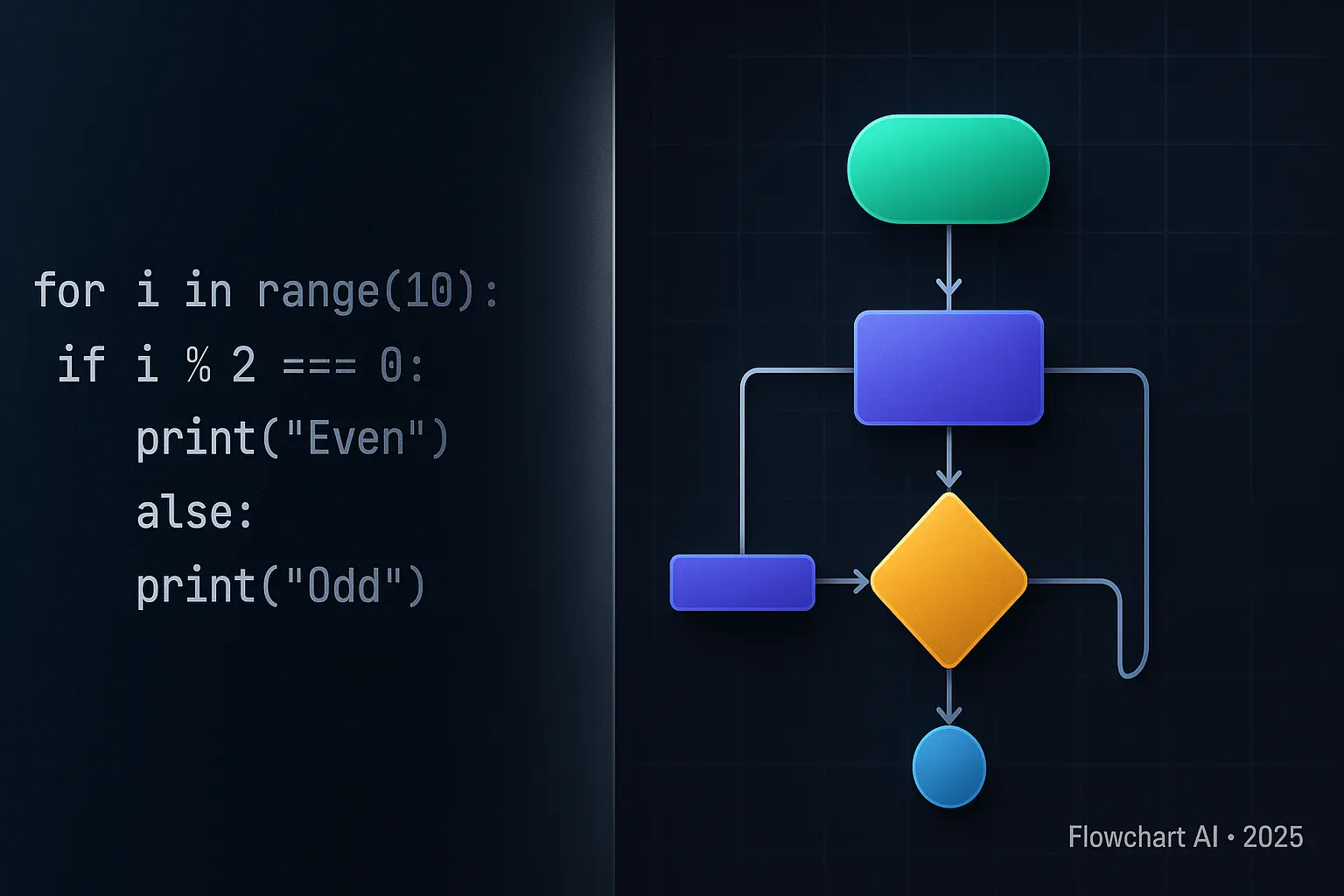
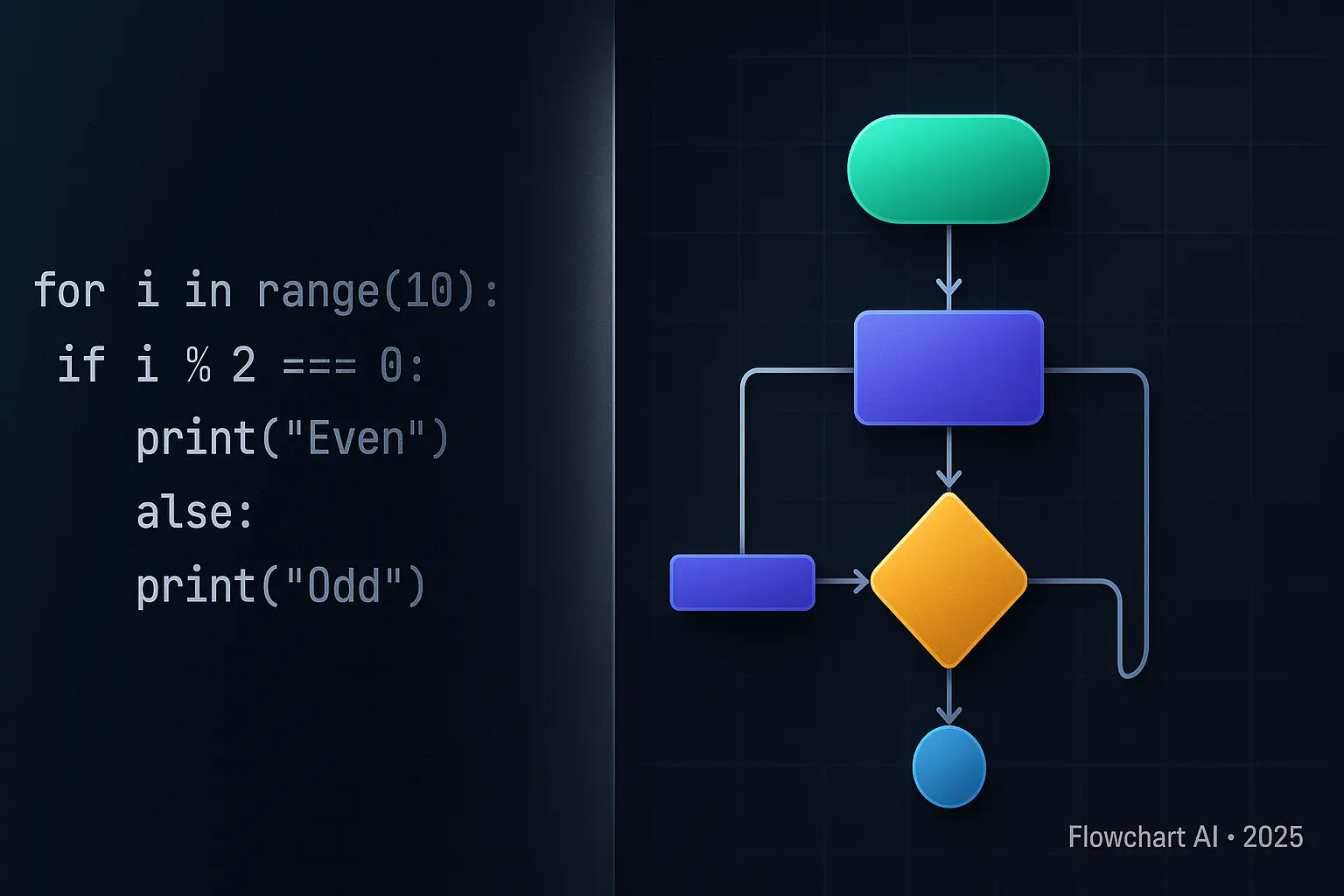
• Common Symbols (Start/End, Process, Decision, Input/Output)
• Drawing Flowcharts Step-by-Step
• Connecting Symbols with Flow Lines
• Creating Clear and Logical Diagrams
• Tools for Drawing Flowcharts (Digital/Manual)
Logic Building & Algorithm Design
• Understanding Logical Thinking
• Writing Simple Algorithms
• Step-by-Step Problem Solving Approach
• Debugging Logical Errors
• Improving Efficiency of Solutions
• Translating Logic into Flowcharts and Pseudocode
Sequence, Selection & Iteration
• Sequence (Step-by-Step Execution)
• Selection (IF, ELSE, Decision Making)
• Iteration (Loops and Repetition)
• Combining Logic Structures
• Real-life Examples of Each Concept
• Practice Problems Using All Three Concepts
Real-World Problem-Solving Exercises
• Solving Daily Life Problems Using Logic
• Designing Algorithms for School Tasks
• Creating Flowcharts for Simple Systems
• Group Activities and Logical Games
• Mini Challenges and Brain Teasers
• Final Problem-Solving Project
Practice Projects for Real-World Skills
• Write Pseudocode for Daily Tasks (e.g., Making Tea)
• Create Flowchart for Login System
• Design Algorithm for Simple Calculator
• Build Logic for Number Guessing Game
• Solve Step-by-Step Real-Life Problems
• Final Project: Complete Problem-Solving Case Study
Requirements
• No prior programming knowledge required
• Basic understanding of English
• Interest in solving problems and logical thinking
• Notebook or computer for practice
Description
This beginner-friendly course introduces students to the fundamentals of problem solving using pseudocode and flowcharts. It focuses on developing logical thinking, structured reasoning, and algorithm design skills that are essential for programming and computer science.
Through interactive lessons, hands-on exercises, and real-world examples, students will learn how to break down problems, design solutions, and represent them clearly using pseudocode and flowcharts. This course lays a strong foundation for future programming learning.
Why Choose This Course?
• Strong Foundation: Essential for all programming languages
• Logical Thinking Skills: Improves reasoning and decision-making
• Beginner Friendly: No coding experience required
• Hands-On Practice: Learn by solving real problems
• Visual Learning: Flowcharts make concepts easy to understand
Activities During Class
• Break down problems into smaller steps
• Write pseudocode for simple tasks
• Draw flowcharts using standard symbols
• Solve logic-based exercises
• Participate in group problem-solving activities
• Work on guided mini-projects
Who Is This Course For?
• Beginners with no coding experience
• School students (recommended ages 10+)
• Students preparing for programming courses
• Anyone interested in logical thinking and problem solving
Course Highlights
• Interactive and Engaging Lessons
• Real-World Problem Solving
• Step-by-Step Learning Approach
• Visual and Practical Exercises
• Certificate of Completion
Enroll Today!
Start your journey into programming and logical thinking with this foundational course. Learn how to think like a problem solver and build the skills needed for future success in technology and coding.
📸 Course Gallery